Use of Hydrogen By-products
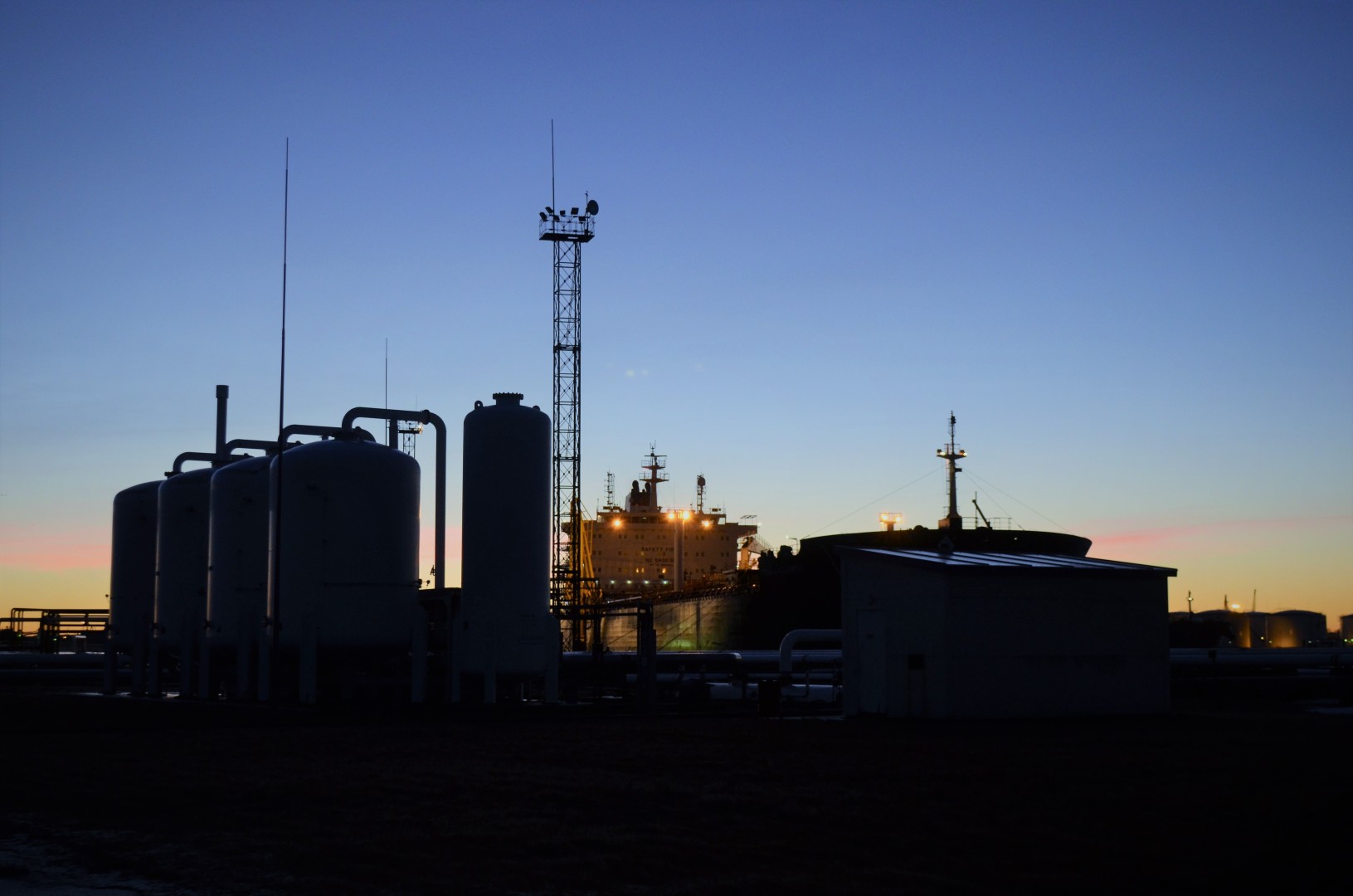
Green hydrogen can create more than fuel. MarTe is studying how oxygen and waste heat from hydrogen production could be reused in the Baltic Sea region, with attention to practical use cases, environmental effects and future planning.
Why hydrogen appears in a marine project
The blue economy is more than fishing and shipping. It also covers offshore and coastal renewable energy, ports and maritime transport — and all of these are under growing pressure to cut emissions.
Shipping is one of the harder sectors to decarbonise. Batteries alone cannot move large vessels over long distances, so the sector is turning to alternative fuels: hydrogen used directly, or its derivatives — green ammonia, e-methanol and synthetic methane (e-SNG). All of them start from the same building block: green hydrogen made with renewable electricity.
Ports sit at the centre of this shift. Many are rethinking their role and see an opportunity to become energy hubs, where larger-scale green-fuel production supports both their own transition and the ships that call there. This links to wider efforts such as green shipping corridors — routes where low- and zero-emission shipping is demonstrated end to end.
Port operations are decarbonising too. Part of that is direct electrification and shore power; the rest points to e-fuels for shunting locomotives, harbour craft and mobile equipment such as reach stackers. As MarTe supports the advancement of the marine technology sector, this transition also concerns new vessels and marine drones, where hydrogen and e-fuel propulsion may offer alternatives to battery power.
Put together, this means green hydrogen is likely to be produced at or near ports in growing volumes. Wherever hydrogen is made, two things are produced alongside it: oxygen and heat. That is where this work begins.
More than hydrogen
Green hydrogen is produced by using renewable electricity to split water into hydrogen and oxygen, and the process also generates a significant amount of heat.
These side streams are often treated as secondary outputs — released, wasted or left outside wider planning. That is a missed opportunity, especially in coastal areas where ports, aquaculture and industry operate close to each other.
Both streams have characteristics worth using. Electrolysis produces oxygen in large quantities and at high purity, which is part of what gives it value. Oxygen can support aquaculture or targeted, local water-quality measures. Waste heat can serve nearby industrial or coastal activities. Ports and coastal industrial zones can connect energy production, water systems and resource flows in smarter ways. This approach is also known as industrial symbiosis.
The question is not only how to produce hydrogen. It is how to make better use of the whole system around it.
Green hydrogen by the numbers
Producing 1 kg of green hydrogen yields about 8 kg of oxygen — and at high purity, typically above 99%. It's not a trace by-product; by mass, the electrolyser makes eight times more oxygen than hydrogen.
Every kilogram of hydrogen starts as roughly 9 litres of water. When that hydrogen is later used in a fuel cell, it recombines with oxygen back into water — so the resource is, in a sense, borrowed rather than spent.
Today’s electrolysers convert about two-thirds of their input electricity into hydrogen, while most of the rest becomes low-grade heat at around 60–80 °C. The heat from producing 1 kg of hydrogen can cover a household’s hot-water needs for a day or two and at industrial scale can support district-heating networks.
Indicative values. Actual volumes and temperatures depend on the electrolyser technology, system design and operating conditions.
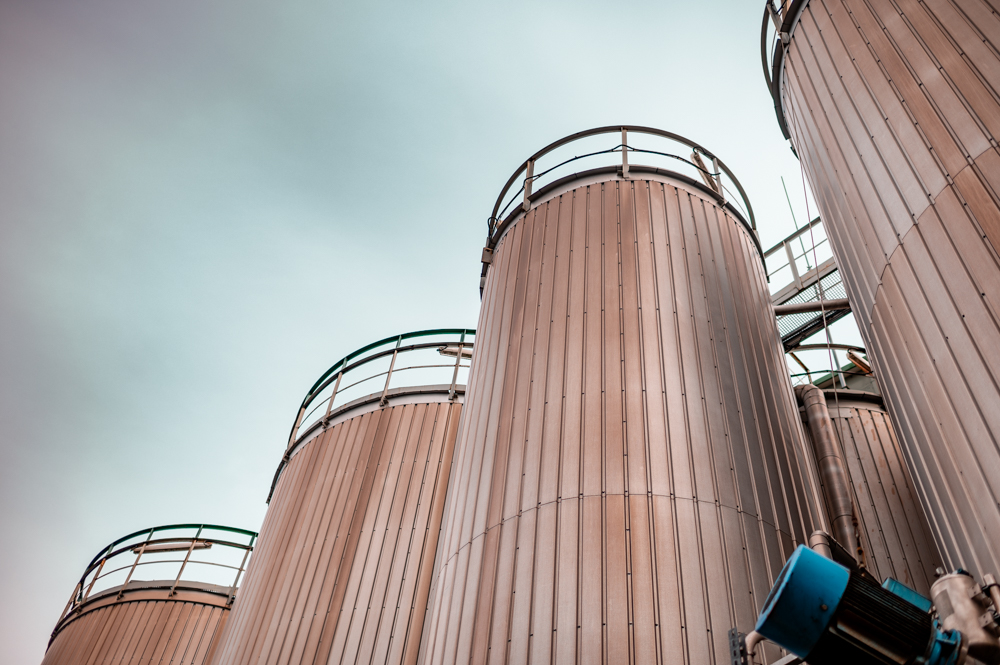
Industrial storage tanks and process infrastructure.
From promising idea to local evidence
A by-product is only useful when the right user, location and infrastructure come together. Oxygen and waste heat can have clear value in one place and little practical use in another — so this cannot be answered in general terms.
MarTe is producing a study that moves the discussion from a promising idea to a clearer evidence base. It assesses where oxygen and waste heat could realistically be used, what volumes and characteristics they have, what environmental effects they may carry, and what practical recommendations can guide future decisions.
The localized framing is deliberate. We are not looking at oxygenating the Baltic as a whole — the scale of the sea's hypoxic zones puts that far beyond what by-product oxygen could address, and basin-wide intervention raises its own environmental questions. Instead, the study focuses on enclosed, local settings: a specific aquaculture site, a recirculating aquaculture system, or a small affected embayment where oxygen could help revitalise a hypoxic or anoxic area — and, in parallel, where that effort could support the use of marine living resources such as aquafarming.
In a sea as sensitive as the Baltic, any oxygen or heat reuse has to be assessed against local water conditions, habitats and possible side effects, not treated as a simple technical fix.
In practical terms, the study looks at:
- where oxygen and waste heat could come from;
- what volumes and characteristics these by-products have;
- how they could be moved or connected to nearby users;
- which use cases are realistic in aquaculture, ports or coastal industrial zones;
- what environmental benefits, risks or limits need to be considered.
The test is not only whether a use case sounds useful, but whether it works in real conditions — with the right location, infrastructure, partners, rules and safeguards.
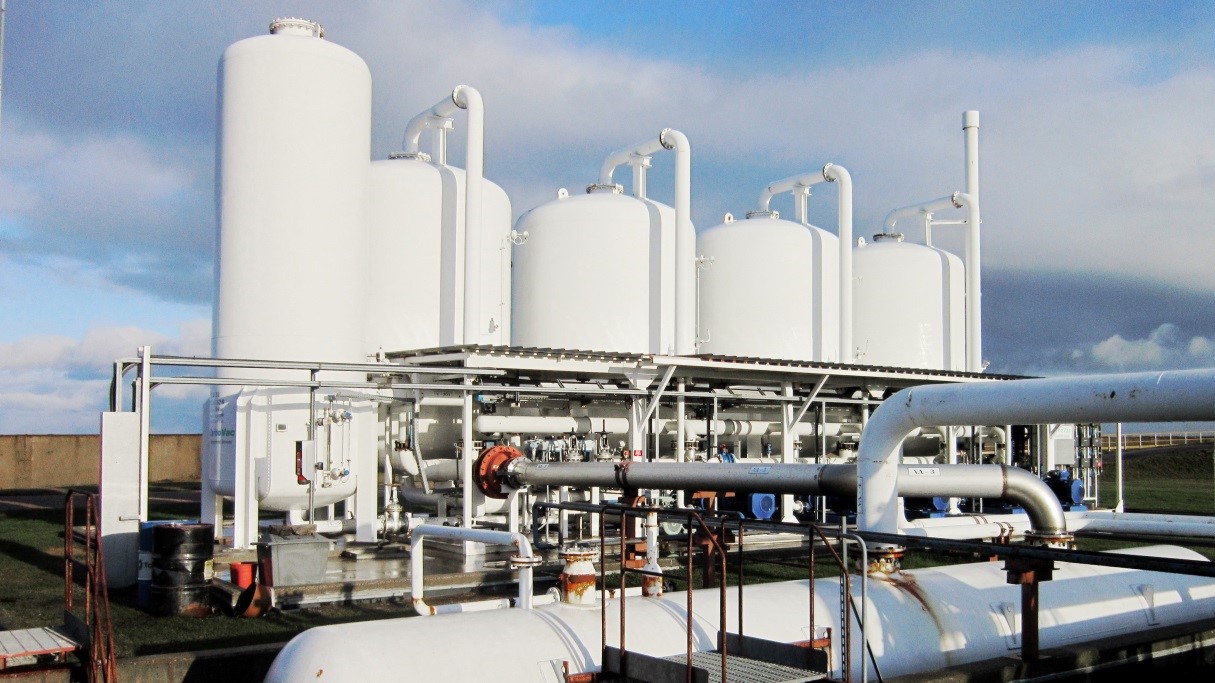
Process equipment at the jetty.
What it would take in practice
Turning a side stream into a real option takes more than a good technical idea. It needs a reliable source of oxygen or waste heat, a nearby user who benefits from it, and a practical way to connect supply with demand. Environmental risks have to be understood, responsibilities have to be clear, and the business case has to make sense: who uses the resource, who pays for the connection, who is responsible for safety, and what could block adoption.
This is where the wider innovation ecosystem matters. Ports, hydrogen developers, aquaculture operators, public authorities, planners, environmental experts and researchers each see the issue from a different angle. MarTe brings these perspectives together to understand under what conditions hydrogen by-products are useful, for whom, and what needs to be in place.
Where the analysis shows realistic potential, the findings — including the impact assessment — can define reuse concepts and recommendations for later feasibility studies, pilot projects and investment planning. Stakeholders would start from a clearer picture of possible use cases, risks, users and practical requirements rather than a blank page.
Success would not mean a large-scale system running everywhere. A realistic first step is simpler but still valuable: ports, planners, hydrogen developers and aquaculture actors would know which by-product uses are worth testing further — and which are not. That clarity prevents both unrealistic expectations and missed opportunities.
If side streams stay invisible
Side streams become valuable only when they are part of planning from the start. If future hydrogen facilities are designed mainly around fuel production, oxygen and waste heat will remain secondary outputs, and the possible links with aquaculture, ports, coastal industry and local water-quality improvement go untested.
The bigger risk is fragmented development — energy, aquaculture, ports and environmental management continuing to grow separately when they could benefit from shared planning.
MarTe's work asks the question early enough: how can future hydrogen systems be designed to create value beyond fuel? Used well, hydrogen by-products can become one small but important part of a more circular blue economy — where resources are not wasted, sectors work together, and new energy systems support both economic development and the protection of the Baltic Sea.



Funded by the European Union under Grant Agreement ID 101186498. Views and opinions expressed are however those of the author(s) only and do not necessarily reflect those of the European Union. Neither the European Union nor the granting authority can be held responsible for them.