Research & Innovation Strategy

Good ideas need the right conditions to grow. Research and Innovation Strategy helps identify those conditions for marine innovation in Estonia and Latvia, from skills and infrastructure to policy, funding and cooperation.
Building the foundations for marine innovation
The Baltic Sea has always shaped the economies and communities of Estonia and Latvia. It supports trade, transport and coastal life, and is now becoming an important space for new ideas and technologies.
Offshore energy, cleaner shipping, smart ports, autonomous vessels and sustainable aquaculture are expected to grow in the coming years. As more activity moves offshore, the blue economy offers new opportunities for businesses, researchers and coastal regions.
At the same time, the Baltic Sea is one of the world’s most vulnerable marine environments. Pollution, eutrophication and climate change continue to put pressure on its ecosystems. Future growth must therefore balance economic opportunities with the need to protect the sea.
The challenge is not only how to develop new technologies. It is also how to create the right conditions for sustainable marine innovation to grow in Estonia and Latvia, so that good ideas can move from research to testing and real use.
Creating the right environment
This is where MarTe comes in. Project brings together researchers, companies, public organisations and coastal communities from Estonia and Latvia to strengthen marine innovation in the Baltic Sea region. The project helps identify opportunities, understand barriers and agree on common priorities for future development.
A key part of this work is the MarTe Research and Innovation Strategy. It starts by looking at global and regional trends that are likely to shape the future of the blue economy. The strategy then connects these trends with the region’s existing strengths and capabilities, including research expertise, infrastructure, industrial know-how and emerging business sectors.
The strategy also responds to a wider regional challenge. Innovation uptake, research funding and coordinated development in Estonia and Latvia remain uneven compared to Europe’s strongest innovation regions. MarTe helps address this by building a clearer framework for cooperation, investment and future technology development.
Based on this evidence, the strategy identifies marine technologies and innovation areas with the greatest potential to support both economic development and environmental sustainability. The aim is to focus efforts where they can have the strongest long-term impact.
In the long term, this work supports the development of Estonia and Latvia as attractive places for testing, piloting and applying sustainable marine solutions.
Innovation ecosystem assessment
Successful marine innovation depends on more than good ideas and new technologies. It also needs the right skills, infrastructure, policies, funding and partnerships to help ideas move from research to testing and practical use.
The MarTe Research and Innovation Strategy looks at these wider conditions in Estonia and Latvia. It assesses what already supports marine innovation, what is missing and what needs to improve for the sector to grow.
The analysis covers topics such as:
- skills and workforce development;
- research and testing infrastructure;
- regulations and policy frameworks;
- investment needs and funding opportunities;
- cooperation across sectors and borders.
It also identifies barriers that can slow progress, including fragmented governance, regulatory challenges and limited opportunities for testing new solutions in real conditions.
By looking at both strengths and obstacles, the strategy gives a clearer picture of what is needed to support sustainable marine innovation and help new ideas reach real use.
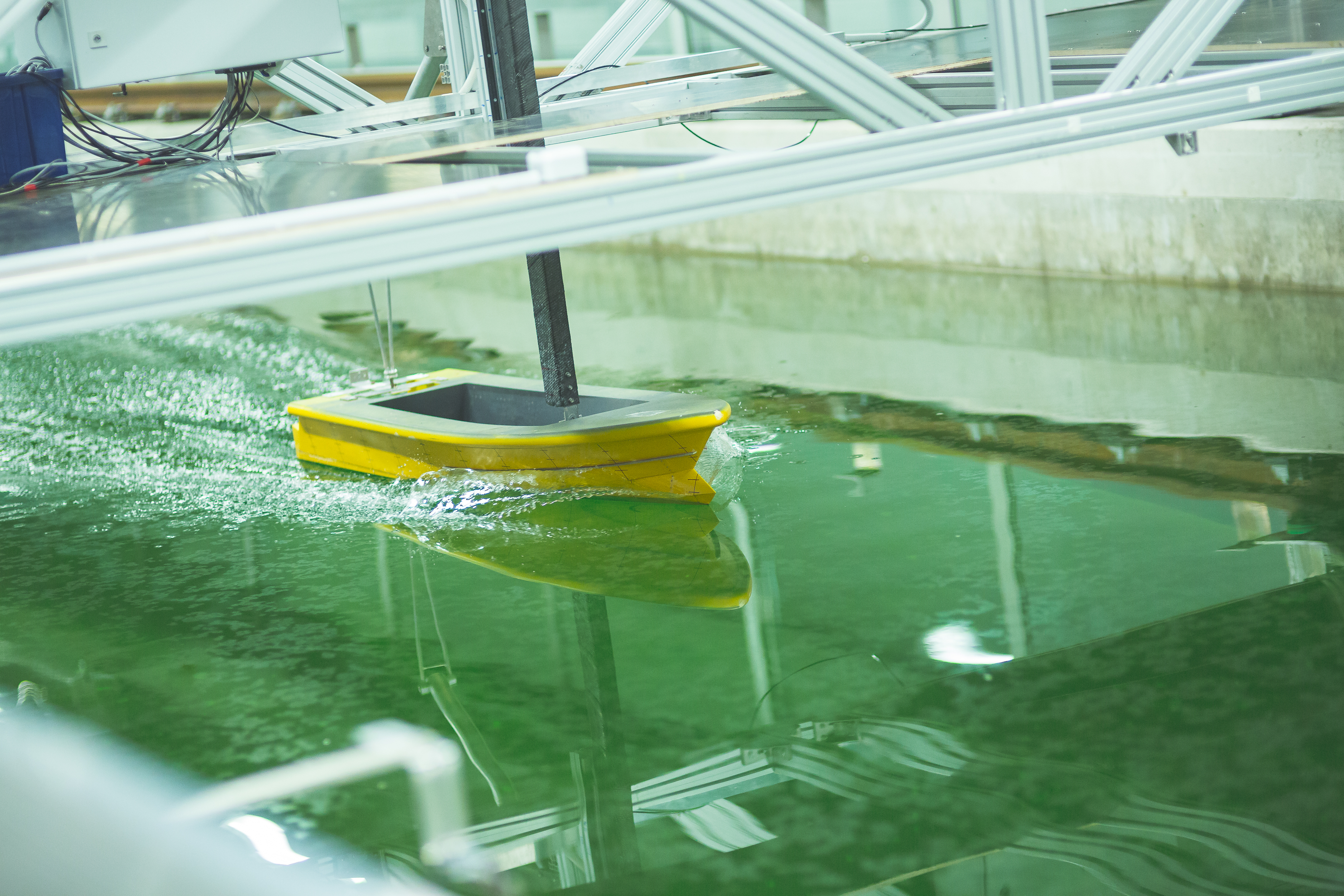
Innovation needs more than ideas: it also needs places, rules and partnerships that make testing possible.
Turning knowledge into action
The strategy is designed to support practical decision-making and future cooperation.
Through this work, MarTe is working towards clearer answers to questions such as:
- Which marine technologies have the greatest potential for the region?
- Where are the biggest gaps in skills, knowledge or infrastructure?
- How can Estonia and Latvia build on each other’s strengths?
- What is needed to help promising ideas move from research to practical use?
These answers can support investment decisions, future pilot and test-bed development, education planning and cross-border cooperation. They also create a shared basis for future action across the region.
A shared resource for the region
The MarTe Research and Innovation Strategy is intended to support different groups working in or with the marine innovation ecosystem.
Policymakers can use it when planning support measures and investment priorities. Universities and research organisations can use it to align their work with regional needs. Companies can gain a clearer view of future opportunities, development needs and potential partners.
The strategy also helps public authorities and coastal communities better understand how innovation, economic development and environmental protection can support each other.
By creating a shared knowledge base and common priorities, MarTe supports closer cooperation across sectors and between Estonia and Latvia.
Looking ahead
The first version of the strategy is an important step towards a stronger and more connected marine innovation ecosystem. It brings together evidence, regional strengths and future needs to support better decisions and more focused cooperation.
As the strategy is developed further and put into practice, it can help guide investments, support new partnerships and create better opportunities for developing, testing and scaling marine solutions.
In the long term, the strategy supports a more competitive blue economy while helping safeguard the Baltic Sea for future generations



Funded by the European Union under Grant Agreement ID 101186498. Views and opinions expressed are however those of the author(s) only and do not necessarily reflect those of the European Union. Neither the European Union nor the granting authority can be held responsible for them.