Action & Investment Planning
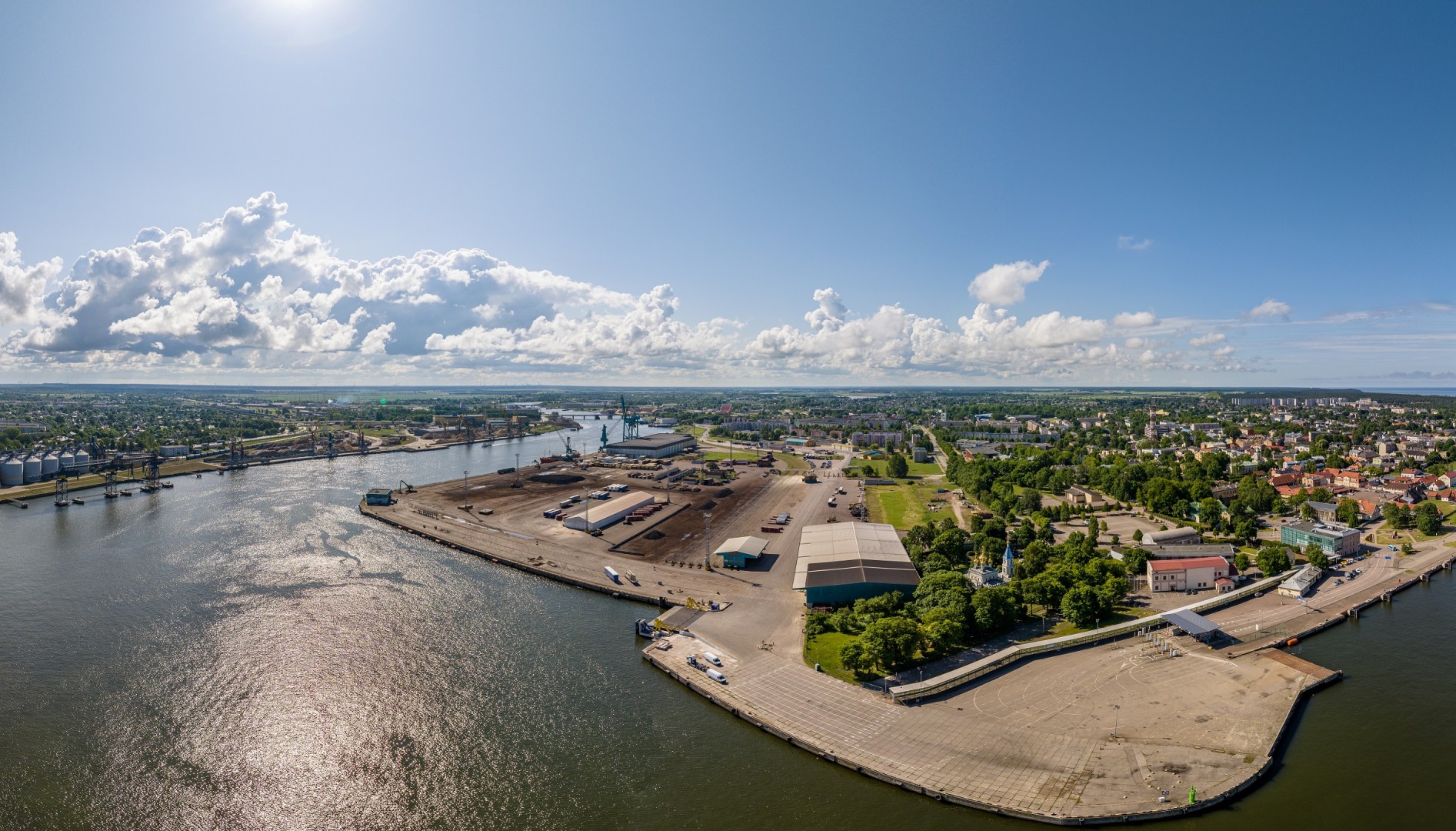
Action & Investment Planning turns shared marine innovation priorities into practical actions and investment pathways for Estonia and Latvia, with wider value for the Baltic Sea region.
Why promising ideas still get stuck
Estonia and Latvia have strong marine research, experienced ports and companies developing solutions for energy, aquaculture, shipping and environmental monitoring.
Yet a promising marine technology can remain between research and real use for years.
A research team may lack an industry partner. A company may have a promising technology but no access to testing or finance. A port may need a new solution but have no established way to work with an early-stage developer. The result is a gap between the organisations developing technology and those able to test, approve, finance or use it.
Marine technologies make this transition especially difficult. They may require expensive equipment, access to ports or sea areas, environmental assessment and long periods of testing before a first customer is ready to take the risk.
A research and innovation strategy can identify these barriers and set priorities. It cannot remove them on its own. MarTe therefore focuses on what needs to happen between recognising an opportunity and being ready to act on it.
From research to real use
Commercialisation does not mean that every research result must become a product or a new company.
Research may lead to a service, shared infrastructure, licensed technology, a public-sector tool or a partnership between researchers and industry. The right path depends on the problem being solved and the people expected to use the result.
MarTe’s work on pathways to commercialisation builds on the innovation ecosystem assessment of Estonia and Latvia. It connects regional strengths and gaps with market demand, possible users and available infrastructure.
The main questions are practical:
- Is there a real need for the solution?
- Who could use it, buy it or support its development?
- What still needs to be tested or demonstrated?
- Which partners, infrastructure and funding are missing?
- Should the idea move forward through an existing company, licensing, a partnership or a new venture?
Together, these answers form a commercialisation roadmap that connects research priorities with the action and investment planning that follows.
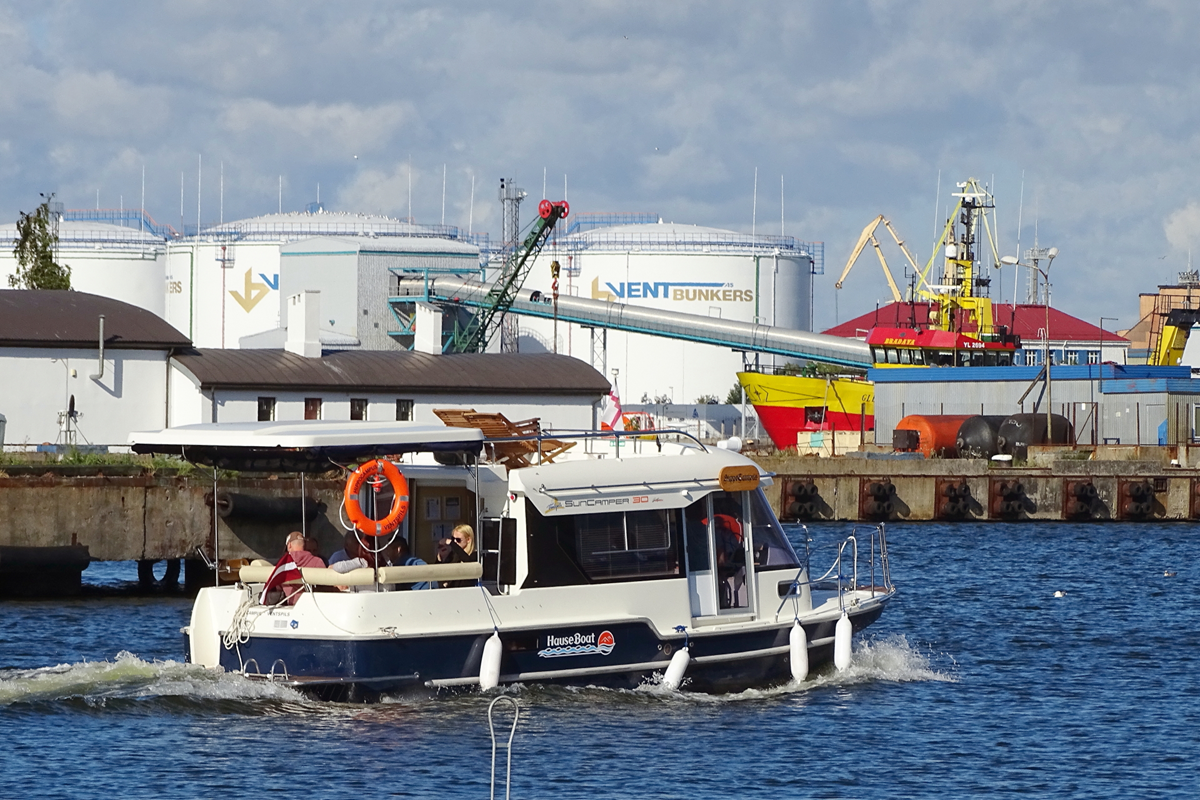
Ventspils port brings together maritime activity, industrial infrastructure and potential users of new marine technologies.
When a priority becomes an action
“Improve access to marine technology testing” may describe a real need, but it does not yet tell anyone what to do.
A workable action must define the problem more precisely. It needs possible leaders and partners, a realistic sequence of steps, required resources and a way to measure progress.
MarTe uses two complementary approaches to develop these actions. SOFI (Sociological Open Framework for Information) helps to understand the people and conditions behind an action, while SMART (Specific, Measurable, Achievable, Relevant and Time-bound) helps turn that understanding into a clear and measurable plan.
SOFI looks at the people and institutions involved. It helps identify who needs to participate, what motivates them, what concerns they may have and which relationships, rules or practical constraints could support or block implementation.
Even a technically sound idea can stall when responsibilities are unclear, organisations expect different outcomes or future users are involved too late.
SMART then gives the proposed action a practical structure. It defines what should be achieved, how progress will be measured, whether the action is realistic and when the main steps should happen.
Consider a marine test environment. SOFI identifies who needs to be involved and what could support or delay cooperation. SMART turns that understanding into concrete steps for access, safety, environmental monitoring, services, operating costs and long-term demand.
The proposed actions are discussed with industry representatives, Communities of Practice, consortium experts and the MarTe Advisory Board. This helps ensure that they respond to real conditions in Estonia and Latvia rather than assumptions made only inside the project.
Support beyond funding
Funding alone does not help a marine technology through testing, regulation and market preparation. Access to laboratories, ports and testing areas may be just as important as business mentoring, regulatory guidance or investor contacts.
MarTe is examining how universities, laboratories, ports, incubators and development organisations in Estonia and Latvia could provide a more connected support system. The result will be a design for a Blue and Green Economies Technology Innovation Centre and Incubator — a model for linking existing services, not a new building.
Investment begins before a funding application
Specialised support solves only part of the challenge. A promising initiative also needs a credible way to operate and continue. A promising concept does not become investable simply because a suitable funding call appears.
Before seeking finance, stakeholders need to know who needs the proposed service, what value it creates, what it will cost and who could operate it after the first grant ends.
MarTe therefore connects action planning with business and investment planning. This includes examining users, partners, resources, operating responsibilities, costs, risks and possible public or private funding sources.
Not every marine initiative needs to become a conventional commercial business. A test facility, marine data service or innovation programme may depend on public investment or cooperation between public and private organisations.
It still needs a credible operating model: clear users, an operator, reliable financing and responsibility for long-term continuation.
This is particularly important in the Baltic Sea region, where a specialised marine service may not have enough users in one country alone. Estonia and Latvia can combine research expertise, testing infrastructure, industrial users and investment knowledge, creating a wider network and enough demand to sustain services that would be difficult to maintain nationally.
Keeping good ideas moving
The real value of action and investment planning will be seen in what happens after the strategy is written. It should show which priorities are ready to move forward, who can take responsibility and what is still missing before an idea can become a pilot, an investment or a lasting service.
Without that shared route, research, funding, infrastructure and business support can continue on separate tracks. A promising technology may advance during one project, only to stall when the next step, partner or funding source is unclear.
Lessons from action and investment planning will feed back into updates of the MarTe Research and Innovation Strategy. This allows priorities, responsibilities and funding needs to be adjusted as technologies develop and regional needs change.
The goal is practical: fewer ideas lost between projects and more reaching the point where someone is ready to test, fund and use them.



Funded by the European Union under Grant Agreement ID 101186498. Views and opinions expressed are however those of the author(s) only and do not necessarily reflect those of the European Union. Neither the European Union nor the granting authority can be held responsible for them.